Meet the Plants: Lavender
There are two kinds of people in the world: those who catch a whiff of lavender and feel their shoulders drop, and those who catch a whiff of lavender and think of hand soap. Both reactions are earned.
Here you'll find:
- Meet Lavender, Botanically Speaking...
- Cooking with Lavender
- The Medicinal Uses of Lavender
- Try Our Lavender Products
Lavender has been scenting everything from Roman bathhouses to your grandmother's linen closet for a couple thousand years, so at some point it was bound to end up in a bar of soap. But reducing lavender to a laundry aisle memory sells the plant short. This is a genuinely useful herb, in the kitchen and well beyond it, and it deserves a second look.
✿✿✿✿
Meet Lavender, Botanically Speaking...
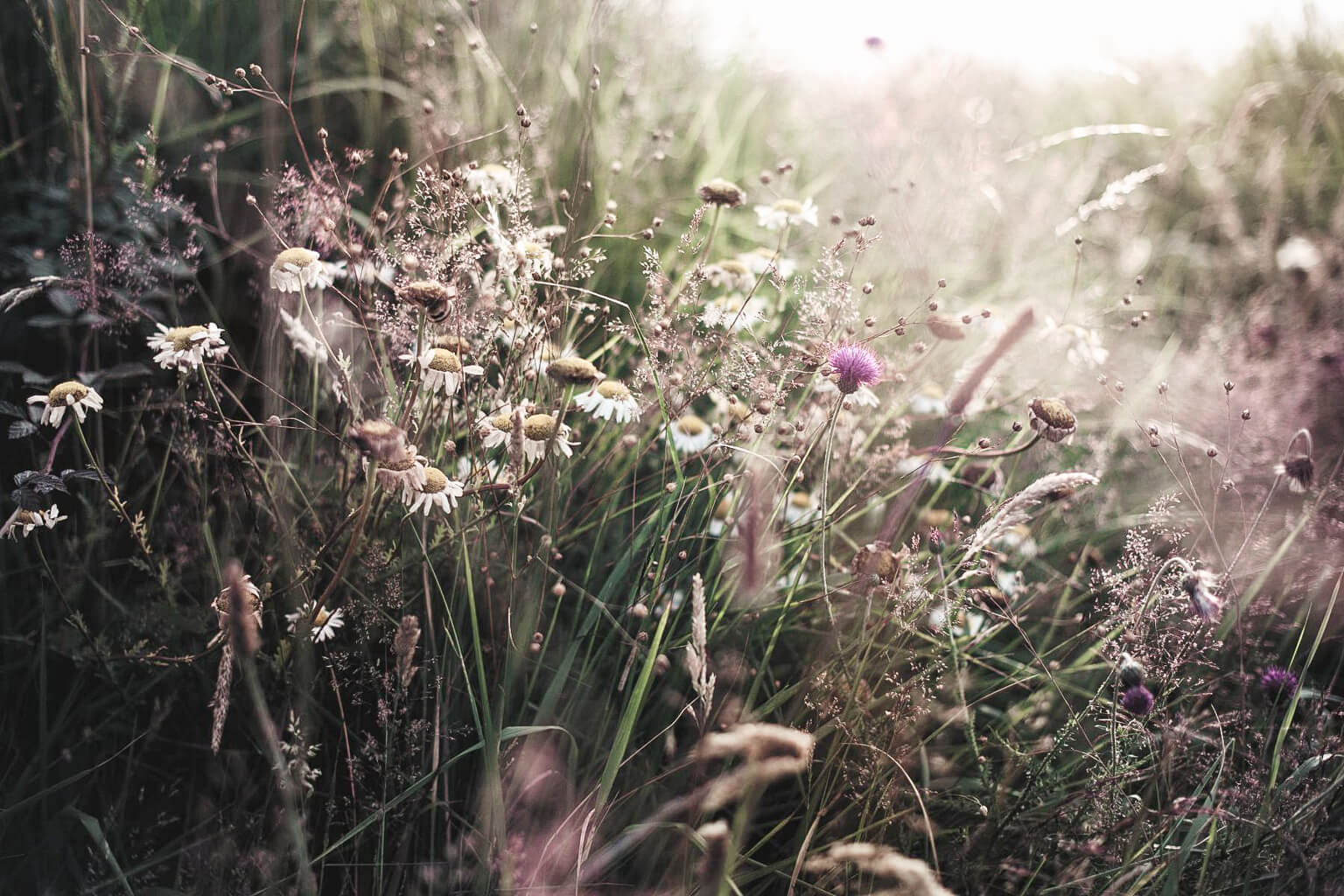
Lavandula is a genus with somewhere between 39 and 45 species, though the one most of us picture, and the one you'll find in a classic lavender field photo, is typically Lavandula angustifolia, English lavender.
It's a small, woody perennial in the mint family, usually 2-3 feet tall, with narrow grey-green leaves and those unmistakable violet flower spikes.
Lavender is a full-sun, Mediterranean-coast kind of plant. It wants heat, light, and good drainage, and it doesn't want to be babied with a hose. Overwatering is the single most common way people kill a lavender plant. Left to its own devices, it's fairly drought-tolerant, a solid pollinator plant, and a natural pest deterrent in the garden.
Even its name gives away its history: lavender comes from the Latin lavare, to wash, a nod to its long use in bath and laundry infusions, which explains a lot about why we associate it with soap in the first place.

Lavender In the Kitchen
Lavender is one of those ingredients people either love or don't, and the skeptics aren't wrong to be cautious. Use too much and you will, in fact, end up with something that tastes like a bar of soap.
The trick is restraint. A little goes a long way, and once you get the ratio right, lavender is one of the more versatile herbs in the pantry.
Both the flowers and the leaves are edible. The leaves can stand in anywhere you'd use rosemary, though with a much softer flavor, while the flowers are the more common choice for cooking and baking.
Lavender crosses easily between sweet and savory: infused honeys and vinegars, herbal salt blends, shortbread and cake, cocktails, and classic spice mixes like herbes de Provence.
Historically, its antimicrobial properties also made it a practical addition to food long before refrigeration existed, not just a flavor choice.

The Medicinal Uses of Lavender
Lavender's calming reputation is well earned and well studied, mostly in the form of lavender essential oil used in aromatherapy or applied topically. It shows up again and again in sleep research, where inhaling lavender has been linked to better sleep quality across groups as different as college students and people managing sleep apnea.
The same calming effect carries over into how it's used for everyday stress and low mood, where lavender has been studied as a gentler alternative to standard anti-anxiety medications.
That mellowing effect isn't just a mood thing either. Because stress and digestion are so tightly linked, lavender's carminative, muscle-relaxing qualities make it a genuinely useful herb for gas, bloating, and general digestive tension, the kind of low-grade unease that often has more to do with a stressed nervous system than anything else.
The same anti-inflammatory properties that make it useful in the gut also show up in skin and body care: lavender has a long history of use for sunburn, minor skin irritation, and sore or tense muscles, and topical lavender oil has even been studied for reducing agitation in dementia care and easing tension headaches.
A Note on Herb Safety ✿ Lavender essential oil isn't universally gentle. It contains a compound that can trigger a contact allergy in people with already sensitive skin, so if you tend to react to fragranced products, patch test before you go all in. And as always, if you're pregnant, nursing, or on medication, it's worth a conversation with your healthcare provider before using any herb medicinally rather than just as a flavor in your food.
✿✿✿✿
Try Lavender in These Products:
Chill Pill Herbal Honey
This is exactly the calming, food-forward reputation we built Chill Pill around. It's a jewel-toned herbal honey blending lavender with three other nervous-system-supporting botanicals, made for stirring into tea, drizzling over toast, or eating straight off the spoon on a day that calls for it.
Try this recipe: Strawberry Matcha Latte Recipe with Chill Pill

shop ✿ Chill Pill →
Moon Garden Herbal Sleep Elixir
If sleep is the reason you're here, this one's for you. Moon Garden is our night time elixir built around lavender's most well-earned reputation: the wind-down. A few dropperfuls 20-30 minutes before bed, and it's a quiet, unfussy way to signal to your body that the day is done. No melatonin foggy-headed mornings.

shop ✿ Moon Garden →
The information in this post is for educational purposes only and hasn't been evaluated by the FDA. Nothing here is intended to diagnose, treat, cure, or prevent disease. Talk to your healthcare provider before using any herb medicinally, especially if you're pregnant, nursing, or taking medication.