Meet The Plants | Calendula
Calendula brings its own weather with it. Bright orange and gold flower heads that track the sun, a bloom that just keeps coming if you keep picking, and a reputation as one of the most trusted first aid and skincare plants in the herbal world.
The benefits of calendula range from soothing skin to easing digestion, which is exactly the reason why it's the flower most likely to show up both in your grandmother's garden and your dermatologist's acceptable ingredients list.
Here you'll find:
- Meet Calendula, Botanically Speaking
- Herbs In The Kitchen: Cooking with Calendula
- The Medicinal Uses of Calendula
- Precautions
- Calendula FAQs
- Try Our Calendula Products
✿✿✿
Meet Calendula, Botanically Speaking
Here's the quick rundown:
-
Latin name: Calendula officinalis
-
Family: Asteraceae (the sunflower family), which explains the classic aster flower head made of slender petals radiating out from a central disc
-
Growth habit: An annual, though it can behave like a short-lived perennial in warmer climates, reaching about 1 to 2 feet tall
-
Native range: The northern Mediterranean, though it's since traveled to gardens around the world
-
Bloom habits: Prolific and self-seeding. Pick the flowers every couple of days and she'll keep producing all season, sometimes year-round in mild climates
-
Name origin: From the Latin kalendae, meaning the first day of the calendar month, a nod to how long and reliably calendula blooms
- Not to be confused with: Common marigold. Calendula is often also called "pot marigold," but true marigolds are the genus Tagetes, a completely different plant that isn't nutritionally or medicinally interchangeable with calendula. More on this in the FAQ below.

Herbs in the Kitchen:
Cooking with Calendula
Edible flowers are one of the easiest ways to make a plate feel a little more alive, and calendula is one of the best for it. The vibrant orange and yellow petals carry a mild, earthy, and something subtly peppery, saffron-adjacent flavor that works in both sweet and savory dishes.
We use calendula two main ways in the kitchen. The whole flower head, green base and all, is best for infusing teas and simmering into broths, where the sticky resinous base gives up its full benefits.
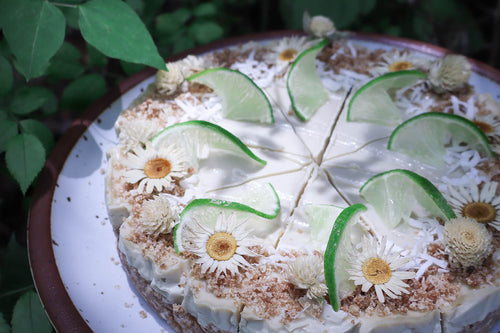
The plucked petals are a different story. Pull them free of the green base (which isn't especially pleasant to nibble on) and scatter them fresh or dried over salads, stir them into cheesecake batter, fold them into and herbed compound butter, or use them to finish a bowl of soup or chili. Fresh or dried, calendula flowers hold their color beautifully if stored well.
Ways to enjoy calendula in the kitchen:
- Steeped on their own or blended with other herbs for calendula tea
- Whole flowers simmered into veggie or bone broth for added immune support
- Popped into an ice cube tray to make edible flower ice cubes
- Fresh or dried petals tossed into salads, fruit salads, or even salsas
- Folded into cake and cheesecake batter
- Infused into herbal butter or culinary finishing oils
✿✿✿

The Medicinal Uses & Benefits of Calendula
Calendula's reputation as a first aid staple isn't just tradition holding on out of habit. Its medicinal compounds, largely concentrated in the resinous green base of the flower head, back up nearly everything it's known for.
Wound Support and Skin Health
Calendula is a gentle but genuinely effective antiseptic, which is why it shows up so often in salves, creams, and body oils meant for cuts, scrapes, and irritated skin. It helps disinfect, calm inflammation, and support tissue repair, which can reduce the likelihood of scarring.
Its gentleness makes it a favorite for use on children, including for diaper rash and cradle cap, and it's considered safe enough to add straight to the bath.
Digestive Support
Calendula is demulcent, meaning it soothes and protects mucous membranes, including the ones lining your digestive tract. A calendula gargle can ease a sore throat, and the tea has long been used to settle discomfort from ulcers, IBS, or heartburn. A well-supported gut lining also means better nutrient absorption further down the line.
→ Hitting close to home? Check out our Digestive Support Collection
Immune Support
Calendula is antimicrobial and rich in antioxidants, two qualities that make it a useful ally when a cold is coming on. It's also known to stimulate the lymphatic system, helping the body clear waste and circulate the white blood cells that fight off infection. Tossing a handful of whole flowers into a pot of soup at the first sign of a scratchy throat is a habit worth adopting.
→ Keep well with our Immune Support Collection
→ Learn more about herbal actions: Herbal Actions: A Plain English Guide to Understanding the Secret Language of Plants
✿✿✿
Precautions
Calendula is considered safe by the FDA and is well tolerated by most people, but it's not without a few cautions. If you're allergic to other plants in the Asteraceae family, like ragweed or chamomile, use caution or consult your healthcare provider before trying calendula. It's also generally advised against during pregnancy because of its mild emmenagogue effects.
As always, talk with your healthcare provider before using any herb in a therapeutic amount, especially if you're pregnant, nursing, on medication, or have a preexisting condition.

✿✿✿
Calendula FAQs
Are calendula and marigold the same thing?
No. Calendula is often nicknamed "pot marigold," which is where the confusion starts, but true marigolds belong to the genus Tagetes. Calendula belongs to its own genus, Calendula, and while both are edible and medicinal, they aren't interchangeable in flavor or in their healing properties.
What are the benefits of calendula?
Calendula's benefits span skin, gut, and immune health. Topically, it's a gentle antiseptic that supports wound healing and calms irritated skin. Internally, it's demulcent and antimicrobial, making it a go-to for soothing digestion and easing a cold at the first sign of a scratchy throat.
Who shouldn't use calendula?
Calendula is generally safe for most people, but those with allergies to ragweed, chamomile, or other Asteraceae family plants should use caution. It's also typically not recommended during pregnancy due to its emmenagogue effects. Check with your healthcare provider if you're pregnant, nursing, or managing a health condition.
What does calendula tea taste like?
Calendula tea has a mild floral and earthiness with a faint hint of bitter, and sometimes even a subtle touch of pepper.
Are all calendula flowers medicinal?
Not all calendula is created equal. As a general rule, the brighter, more fragrant the flower, and the stickier its green base, the more concentrated its medicinal compounds are.
✿✿✿
Calendula has earned its reputation as a medicinal powerhouse the honest way, one bloom, one cup of tea, one healed scrape at a time. It's one of the easiest plants to welcome into your own herbal pantry, whether that's a pot on your windowsill or a jar in your pantry.
Try Calendula In These Products
Don't Forget The Flowers Finishing Salt
Organic edible petals and nourishing unrefined mineral salt come together to add soft floral notes, a bright pop of color, and a moment of delight to whatever you’re eating or sipping.

Gut Flora Digestive Bitters
A living herbal tonic rooted in centuries of digestive tradition to awaken digestion, nourish your gut flora, and ease the tension that so often lives in your belly.

Summer Nights Florafetti Edible Flowers
A blend of organic edible petals that adds a pop of color, a soft, uplifting floral aroma, and a touch of magic to everything you serve from casual snacks and cocktails to decadent desserts and show-stopping spreads.

DISCLAIMER: The information here is intended for educational purposes only.