Cool, Hydrated, & Well-Fed: An Herbalist's Guide to Summer
There's a certain window in early summer that I look forward to every year.
The garden is full. Finally. Everything is big, green, and impossibly beautiful. Lush in a way that only months of hard work in the wet days of spring can bring. Harvests are happening. The roadside elderberries are all popping into blooms like great white clouds. The wild berries are starting to form, still hard and green, but full of juicy promise. And the sun comes up just after 5am, an ungodly hour if you ask me, but something that's always special to witness.
This is the payoff. The reward for all of spring's planting and tending and hoping. Before the weeds get ahead of you. Before the abundance tips into overwhelm. And it will, it always does, sometime around August. That's when I start secretly wishing for the first frost to hit and make it all go away. Kidding. Mostly.
But right now, in these weeks of early summer, everything is just right.
And to keep it that way, there are the plants that help usher us through the dog days of summer, calm, cool, and collected. Cooling herbs to help you stay cool. Mineral-rich ones that help keep you hydrated. Nourishing ones that taste like summer.
The herbs of summer are perfectly suited to what the season asks of your body, and knowing which ones to reach for can help us stay rooted in the pleasures of the season.
Here's how an herbalist does summer.
✿✿✿

Stay Cool & Hydrated
If there's one habit worth borrowing from the herbalist's summer kitchen, it's the cold infusion.
Just a jar of water, a handful of herbs or a good herbal tea blend, and a night in the refrigerator. In the morning, you have something cool, beautiful, and nourishing waiting for you.
Cold infusions work particularly well for herbs that are moistening and mineral-rich. Some of the most hydrating plant compounds, the soft, mucilaginous compounds that coat and soothe tissues from the inside out, extract better in cool water than hot. Heat can actually diminish them. So for summer hydration specifically, cold is the move.
A few herbs perfect for cold infusions:
-
Hibiscus: Refreshingly tart, naturally cooling, ruby-red, antioxidant-rich, and arguably the most beautiful cold infusion you can make. Try our best-selling Disco Nap Herbal Tea.
-
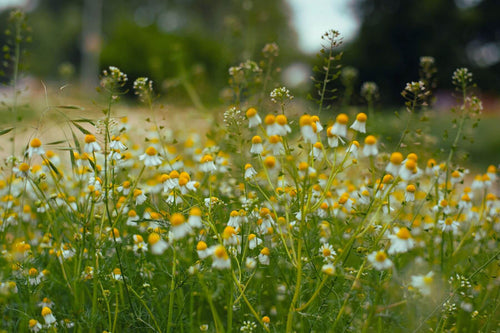
Elderflower: Soft and honeyed, floral without being sweet. A classic flavor that tastes like early summer in a glass.
-
Lemon Balm: Herbaceous and citrusy, mood-boosting and wildly refreshing. It's summer sunshine and happiness in a glass.
-
Stinging Nettle: Mineral-rich and deeply nourishing, earthy and grassy, nettle is one of the most nutrient-dense plants you can steep. Try our Nettle & Citrus Hydration Elixir with stinging nettle, oatstraw, and Irish sea moss.
-
Raspberry Leaf: Subtly astringent and pleasantly tea-like. Rich in minerals, particularly supportive for women, and an easy daily infusion for anyone who finds the earthier herbs an acquired taste.
-
Rose Petals: Softly floral, gently cooling and astringent, and quietly mood-lifting.
-
Oats & Oatstraw: Grassy and sweet, deeply nourishing. An overnight cold steep results in something that's almost silky and pairs so nicely with other herbs.
- Marshmallow Root: One of the most moistening herbs the plant world has to offer. Cold-infusion only for this one. Hot water actually diminishes the moistening qualities. Mild in flavor, extraordinary in effect.

How to make an herbal tea cold infusion:
I recommend making at least a quart of this at a time so you'll have it to sip on all day long.
- Add 1-2 tablespoons dried, loose-leaf tea blend per cup of water (use 2x the amount of herbs if using fresh) to a jar.
- Fill jar to top with water.
- Optional: Add a slice of lemon or a splash of raw apple cider vinegar. The acidity will make for a more mineral-rich brew.
- Screw a lid on the jar tight and turn the jar over a few times to help moisten the herbs.
- Pop the jar in the fridge overnight, strain in the morning, and sip on throughout the day.
Note: Some herbs, like marshmallow root, benefit from a longer steep, but most cold infusions are ready by morning. There's no harm in allowing them to steep longer though.
✿✿✿

Summer Foods to Savor
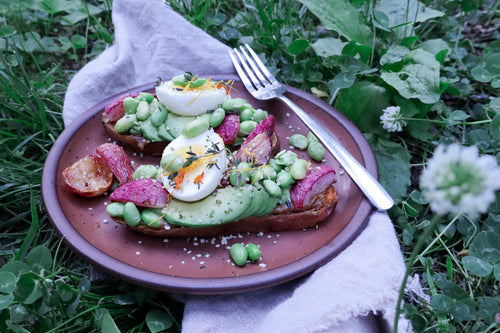
Somewhere in the middle of summer, my weekend breakfast starts becoming a plate of eggs and fruit salad.
Whatever's ripe, cut up and tumbled into a bowl: peaches, berries, something cold from the fridge. A drizzle of herbal honey. A pinch of finishing salt, often one with edible flowers in it, because... joy.
It takes five minutes and starts the day off in the throes of Eden-like pleasure.
Summer abundance in the southern Appalachians is particular and generous. Cucumbers appearing faster than you can eat them. Tomatoes finally arriving, warm from the vine, needing nothing but a little salt.
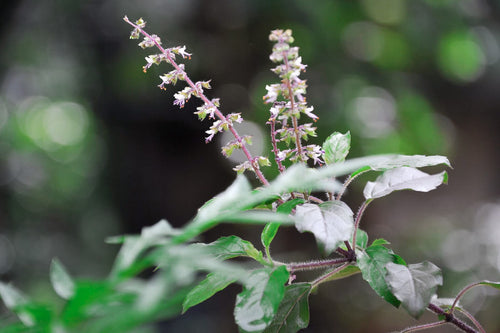
Peaches that smell like there's no other place to be. Fresh herbs going wild in the heat. Basil, mint, and thyme.
The most beautiful flavors are in such abundance that you wonder why you'd ever attempt to cook anything complicated when nature has already done all the hard work of making everything so delicious just as it is.
The herbalist's instinct in all of this is to eat cooling, moistening, and slightly bitter. A natural lean-in toward what the season offers and what the body tends to want when it's hot.
Cucumbers and tomatoes are mostly water. Peaches deliver the kind of natural sugars that can help sustain you through the long afternoons. Fresh mint in everything keeps things bright and cool.
A handful of arugula or dandelion greens tucked into a salad brings the bitter notes that keep digestion moving when the heat has slowed everything else down.
This is where digestive bitters earn their place in summer. As the temperatures rise, our bodies shift energy away from digestion, redirecting blood flow to our skin to help keep us cool.
When we're eating lighter, drinking more liquids, and moving slower as the temperatures rise, the digestive fire needs a little tending. A few dropperfuls of Gut Flora Digestive Bitters before meals is one of the simplest things you can do to keep your gut humming through the season.

✿✿✿

Summer Rituals Worth Having
Summer has a way of filling up fast. Markets and gatherings and long evenings that stretch well past nine, the season is generous with its invitations and it's easy to spend all of it in motion.
The rituals worth having in summer are the ones that build in slowness. Small, sensory, deliberately unhurried.
A few that have become mine:
Misting with Herbal Hydrosols
A small bottle of floral water kept in the refrigerator door is one of the simplest, most underrated summer pleasures. A few spritzes on a hot afternoon: rose for cooling and calming, calendula for its sweet softness. Helichrysum, frankincense, or peppermint, there's no wrong choice. It takes 3 seconds of your time and costs nothing in effort.

Sun Tea on the Summer Solstice
On the longest day of the year, fill a clear jar with cold water and whatever herbs feel right: hibiscus, linden, lemon balm, mint, elderflower, rose petals, a sprig of fresh thyme or lavender. Set it in a sunny spot in the morning and leave it there 3-5 hours.
By afternoon, you have something infused with the long light of the solstice, which sounds more mystical than it needs to, but isn't wrong. Strain, sweeten if you'd like, and sip.
Note: Grandma may have been living a bit on the edge with this sweet tradition. Here's a bit on sun tea safety.
Edible Flower Ice Cubes
Grab an ice cube tray and pop a whole edible flower or a pinch of an edible petal blend into each cell, fill with water, and then freeze. Both fresh and dried edible flowers work here. Violas, borage flowers, rose petals, or Summer Nights Florafetti all work beautifully.
Add these beauties to anything cold. The stunning effect is entirely disproportionate to the effort; they make a glass of sparkling water feel like a small celebration.
Need recipe inspo? Check out this recipe for Hibiscus Lemonade with Edible Flower Ice Cubes.
The Art of the Outdoor Picnic
One of my forever goals for summer is to enjoy as many meals outdoors as possible. A good ol' fashioned outdoor picnic is priceless summer fun. A blanket, something cold to drink, food that travels well, nowhere to be for an hour or two.
The southern Appalachian summer is beautiful and fleeting and the best way to honor it is to actually be outside in it.
✿ ✿ ✿ ✿
There's so much pleasure in a season that isn't rushed. That's the whole philosophy here, really... in the herbs, in the food, in the rituals. Slowing down enough to notice the sweetness of the summer.
To living wildly well.

shop the ✿ summer apothecary
A few things worth keeping on your shelf this season:
Disco Nap Herbal Tea
Your ready-made cold infusion. Steep it overnight, drink it all day.

Gut Flora Digestive Bitters
For the gut, where so much begins. Especially useful when the heat has slowed everything down.

Hibiscus Orange Fire Cider
Bold, tangy, and alive. Beneficial for stoking the digestive fire and an essential for summer brunch Bloody Marys and creamy salad dressings.

Summer Nights Florafetti Edible Flowers
A rose-forward blend that brings life to summer cocktails, fruit salad, picnic desserts, and the ice cubes you'll pop into your fresh-squeezed lemonade.

Elder & Lemon Thyme Elixir
Fruity, herbaceous, and bright with a peppery finish that's distinctly of these mountains. Drizzle it over summer salads or take it straight as a daily seasonal tonic.

Nettle & Citrus Hydration Elixir
Mineral-rich, built for sparkling water, made for long hot days.

Herbal Honey
For the fruit salad. For the cold infusions. For a spoonful on a slow summer morning. It's Slow Like Honey Summer; you heard it here first.

*Disclaimer: The information in this post is intended for educational purposes only. These statements have not been evaluated by the FDA. Nothing here is intended to treat, diagnose, cure, or prevent any disease. Always consult your healthcare practitioner before using herbs therapeutically, especially if you are pregnant, nursing, or taking prescription medications.