10 Easy Ways to Practice Herbalism Everyday
There aren't enough hours in the day to add another "healthy habit" to the general to-do list of life, and yet I still find myself, usually too late at night, searching the internet for more things to do. More ways to do better. More ways to age well, help the people I love, keep [insert health condition of choice] at bay, squeeze the most out of the one life I've got.
Most of us don't need a longer to-do list. Most of us need more connection.
I believe our wellness, both as individuals and as a whole human collective, depends on our relationship with the natural world. We are not separate from it. And practicing herbalism every day is one of the simplest ways back into that relationship: small, often barely noticeable habits that build resilience over time instead of one more thing layered on top of an already full life.
Here you'll find:
- What Does Is Mean to Practice Herbalism Every Day?
- Why the Small, Daily Habits Work
- How to Practice Herbalism Every Day: 10 Easy Ways
✿✿✿
What Does It Mean to Practice Herbalism Every Day?
Very simply, at Botany Culture Co. it means bringing plants into your life in small, routine ways instead of saving them for when something's wrong. The best care always starts before you need it.
It's a casual, intuitive relationship with plants: drinking them, cooking with them, gathering them, smelling them, crafting with them. If you're doing any of that, you're already practicing herbalism, probably at least once a day, whether you've ever called it that or not.
✿✿✿
Why the Small, Daily Habits Work
This is the whole idea behind a tonic: an herb taken often enough, in small enough amounts, that it becomes part of your natural rhythm instead of something separate on a to-do list.
Not the big doses reached for when something's already wrong, but a small one showing up again and again, day after day, building strength and resilience.
The repetition is the important part. One cup of stinging nettle tea won't change much, but a hundred of them, so full of vitamins and minerals, over the course of a season, will.
The same goes for a daily walk, a consistent bedtime, a spoonful of fire cider you reach for every day. Small habits like these, over time, lead to a more resilient you.
✿✿✿
How to Practice Herbalism Every Day: 10 Easy Ways
1. Drink Herbal Teas
It's hydrotherapy with flavor. Our bodies are roughly 60% water, the planet is roughly 70% water, and one of the easiest herbal preparations you can make, practically anywhere, is a water-based herb infusion, like tea.
Herbal teas let you curate to whatever you need in the moment: a mineral-rich stinging nettle tea when you're due for whole-body nourishment, an immune-supportive blend like Sage Advice Herbal Tea when you want backup, or a gentle, non-jolting afternoon pick-me-up like Disco Nap Herbal Tea sweetened with a spoonful of herbal honey instead of another coffee.
→ Try one of our loose-leaf organic herbal tea blends.
2. Take a Walk
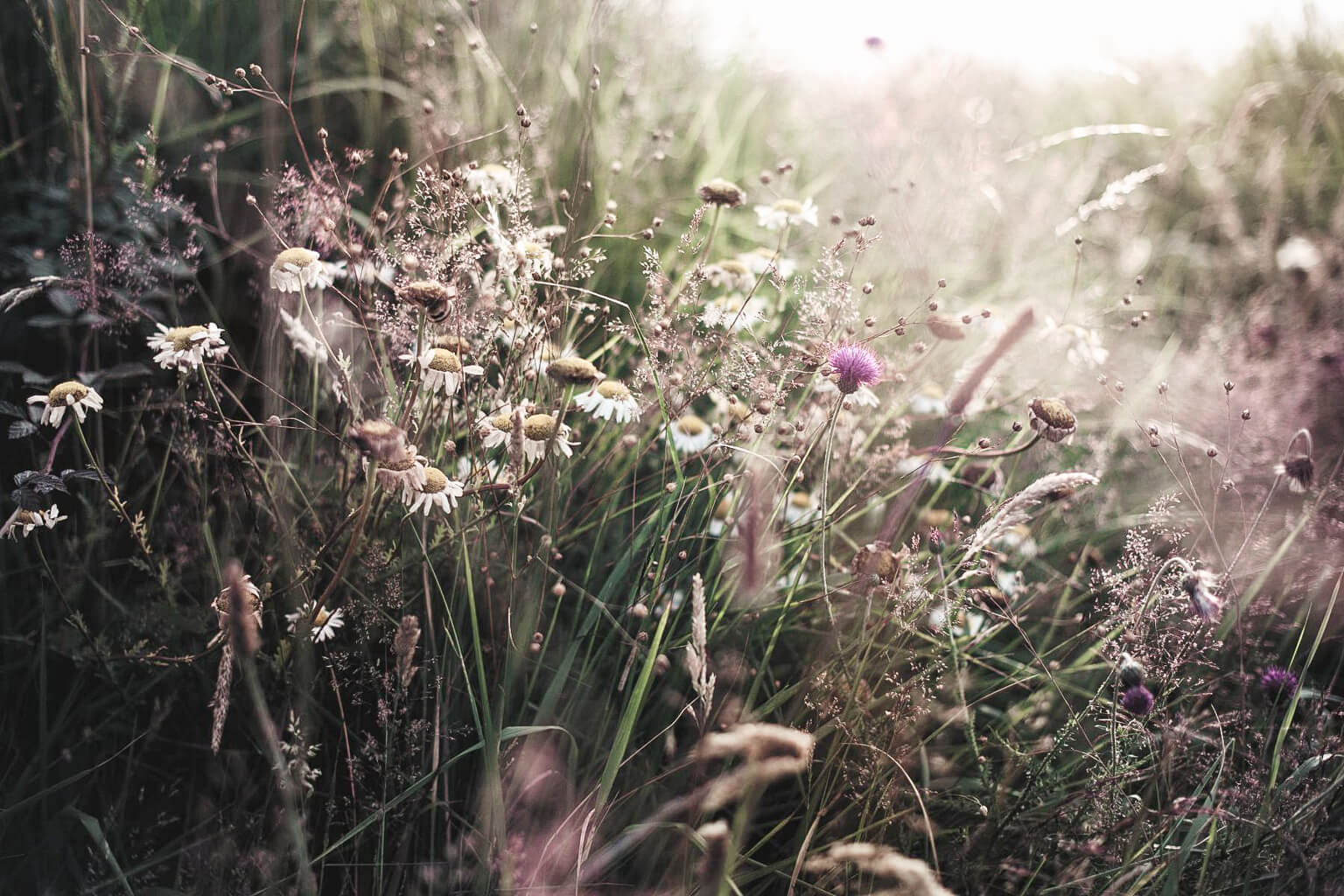
This is one of my favorite ways to stay connected. A daily walk, even a five-minute loop around the block, is a small, intentional chance to notice the plant life around you.
Through the seasons you'll watch nature change. You'll recognize the plants you already know and get curious about the ones you don't. I've made it a habit to try to notice at least one new thing on my morning walk. There's always something to learn from a plant, and sharing space with it over the course of the year is one of the best ways to get to know it.
Plus, it's no secret that being amongst the trees is beneficial for our health. Trees, especially confirs like pine, fir, and spruce, naturally release these amazing airborne oils called phytoncides. To the trees, they're a defense mechanism to help protect them from harmful fungi, bacteria, and insects, as well as a way to communicate with other trees about potential environmental hazards.
To us, when we breathe in these phytoncides, they help to boost immune function, lower stress, and improve mood.

3. Swap Your Table Salt for Herbal Finishing Salts
Here's an easy swap that builds in a moment with plants at every meal: breakfast, lunch, and dinner.
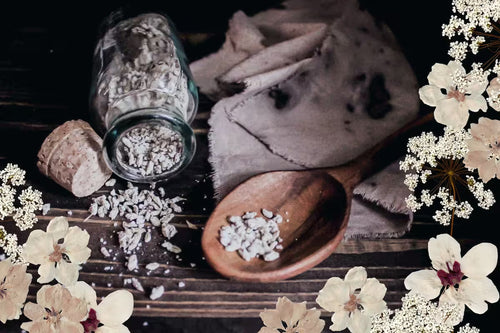
Our herbal finishing salts start as fresh herbs ground into a paste, then mixed with salt, which naturally cures and preserves them. It's a good way to hold onto fresh herbs, and a simple way to carry their fuller flavor, vitamins, and minerals into meals all year.
→ Grab one of our herb-infused finishing salts and keep it on the table instead of tucked in the pantry, where it's within reach at every meal.
4. Make Herb-Infused Vinegars a Regular Pantry Staple
Herbal vinegars are one of the most versatile things in your kitchen. Beyond homemade salad dressings, I really didn't use vinegar much in the kitchen until I fell in love with herbal vinegars.
Raw, unfiltered vinegars (the cloudy kind, with the mother still in it) are a good base to start from on their own, and infusing them with herbs only builds on that. With their constellation of enzymes, proteins, friendly bacteria, and acetic acid, including raw vinegars in your diet is beneficial for metabolic health, as well as gut health and digestion.
Whisk one into a quick vinaigrette, drizzle it over braised greens, stir a little into a pot of soup or stew near the end of cooking, or use it to deglaze a pan.
Try these recipes using some of our infused vinegar elixirs:
- Sun-Dried Tomato Pesto Pasta Salad with Elder & Lemon Thyme Elixir
- Massaged Kale Salad with Creamy Fire Cider Hemp Seed Dressing

5. Host Your Own Herbal Happy Hour
Even if it's only a party of one. If you enjoy a drink at the end of the day, try trading your usual for an herbal elixir instead. Keeping an herbal elixir on hand, like our Elder & Lemon Thyme Elixir or our Nettle & Citrus Hydration Elixir, makes it easy to build your own mocktail bar without much effort: a splash of elixir, some sparkling water, maybe a lil' bit of fruit juice, and you're set.
Love a good Bloody Mary? Try adding a splash of our Hibiscus Orange Fire Cider, and for good measure, rim the glass with our Hibiscus Orange Fire Cider Finishing Salt.

6. Slather on an Herbal Body Oil
Drink the herbs, cook with them, then slather them on your skin, too.
A few years back, herbal body oiling pulled me out of a self-care plateau, back when my usual go-tos (morning walks outside, good meals, a good book) were still enjoyable but had started to feel routine. Making your own infused oil is simple, and it's a genuinely luxurious way to connect with a plant through sight, smell, and touch: the bright red of fresh St. John's Wort oil, the earthy, delicate scent of calendula.
Swap your store-bought lotion for a homemade herbal body oil, yours or a local herbalist's, and treat yourself to it after a shower or bath.
7. Keep Your Herbal Extracts Where You Can See Them
If you've collected a shelf of tinctures over the years, and if you're anything like me and can't stand clutter, they've probably ended up shoved into a cabinet or drawer, mostly forgotten.
The fix is simple: put a few where you can see them. Rotate them out every 6 weeks or so. Put it on your calendar if you need to.
Extracts lose potency over time, even alcohol-based ones, so the ones in plain sight are the ones that get used while they're still working at their best.
8. Take an Herbal Bath or Shower
Make a tea in your bathtub, then soak in it. Plain and simple. This is an easy DIY craft. You can easily make a bathtub tea using a handful of fresh or dried herbs tied loosely into muslin or cheesecloth. Lavender, calendula, and rose are always good options. Throw in some oats and epsom salts for good measure. Add to your tub while it's filling so that by the time you're ready to hop in, there's a nice herbal bath waiting for you.
Not a bath person? An herbal shower steamer works too. Eucalyptus is a favorite for the shower and double as solid respiratory support (choose organically grown).
9. Burn Botanical Candles or Plant Incense
More than a nice smell, burning fragrant plants is a way to connect through breath, and it's one of the oldest practices there is, used in sacred and everyday spaces the world over.
Scent is powerful enough to bring back a memory or a feeling in an instant. I like to light a botanical beeswax candle every morning, while I sip on herbal tea and read a few pages of a book before starting the day. It's a small gesture, but brings a lil' extra something to an otherwise routine Tuesday.
Most candles and incense on the market are made with synthetic fragrance, so look for ones made with organic plants and real essential oils.
10. Add a Sprinkle of Edible Flowers
For real, eat the flowers. When in doubt, pop a pansy on it and call it done.
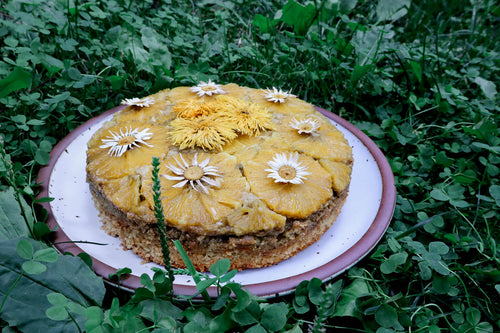
Edible flowers can feel frivolous, or too fancy for a Tuesday, and that's exactly why I love them. A wedding cake covered in blooms is one use. Five seconds spent scattering the petals over a green salad on an ordinary weeknight is another.
Flowers make people happy, and happiness is its own kind of medicine, courtesy of nature herself.
→ Grab a jar of our bestselling Summer Nights Florafetti Edible Flowers.

It's About the Small Stuff
I'd bet you already do at least one of these regularly. Did you ever think of it as herbalism before?
Practicing herbalism every day isn't a grand undertaking. It can be small, often barely noticeable, but genuinely useful, and it fits into your life exactly as it is right now.
Building a relationship with plants starts with noticing the ways they already show up for you, then finding the new meaningful places for them to fit in.
To living wildly well.

Founder, Botany Culture Co.
DISCLAIMER: The information given in this article is intended for educational purposes only.